
Have you ever wondered how some contracting businesses seem to thrive while others struggle to keep up? In today’s fast-paced world, understanding the role of effective strategies is crucial. This guide serves as the definitive roadmap for tradespeople aiming to elevate their business in the modern landscape.
The shift from analog to digital media has reshaped how businesses attract potential clients. With over 94% of the world’s media storage now digital, it’s essential for contractors to adapt. This blueprint will walk you through every aspect, from creating a professional website to utilizing social media and email outreach.
Readers can expect to learn how to harness the power of search engine optimization, compelling content creation, and data analytics. This practical guide is designed to help contractors generate leads, build brand authority, and ultimately increase revenue. By the end, you’ll have the tools to take control of your online presence and succeed in a competitive industry.
Key Takeaways
- Understand the importance of digital strategies in today’s business landscape.
- Learn how to create a professional website that attracts clients.
- Explore the three pillars of a successful strategy: owned, earned, and paid media.
- Discover how to leverage social media and email outreach effectively.
- Utilize data analytics to outperform competitors.
Introduction: The Importance of Digital Marketing for Contractors
In today’s competitive landscape, the success of contracting businesses hinges on their ability to adapt to modern strategies. Traditional methods like newspaper ads and flyers are no longer enough. With the rise of the digital age, companies must embrace new techniques to reach potential clients.
Statistics show that most users now discover home services through digital media platforms and search engines. This shift means that having a strong online presence is essential. The digital revolution has transformed the contracting industry, leveling the playing field for small businesses. They can now compete with larger firms more effectively.
Social media and email play crucial roles in nurturing relationships with past clients. They help generate repeat business, which is vital for sustained growth. Many people mistakenly believe that contracting work is purely local and doesn’t require a website or content strategy. However, potential clients often research contractors online before making any calls.
Contractors who fail to adapt risk losing market share to competitors who have embraced modern techniques. Effective digital marketing is not about being on every platform but about choosing the right ways to connect with the target audience. This article will serve as a roadmap, guiding contractors through this essential shift to ensure their business thrives.
Understanding Digital Marketing for Contractors

The rise of the internet has transformed how contractors reach clients, making online strategies more important than ever. Digital marketing refers to the strategic use of various online channels to attract, engage, and convert potential clients. This includes everything from a well-designed website to social media platforms and email outreach.
Contractors can think of their online presence like a well-maintained garden. Just as a garden needs care and attention to flourish, so does a contractor’s online presence. This means ensuring that all digital platforms are optimized and working together harmoniously.
Definition and Scope of Digital Marketing
Digital marketing encompasses a range of activities aimed at promoting services through online media. It includes:
- Creating a professional website that serves as a central hub for information.
- Setting up a Google My Business profile to enhance local visibility.
- Utilizing paid ads to reach targeted audiences on various platforms.
- Engaging clients through social media and content creation on sites like YouTube.
Unlike traditional analog media, digital content can be easily updated, shared, and tracked. This flexibility allows contractors to adapt their strategies based on real-time feedback and analytics.
Key Benefits for Contracting Businesses
Understanding the scope of digital marketing provides numerous advantages for contracting businesses:
- Increased visibility in local search results, making it easier for potential clients to find services.
- Higher-quality leads that are more likely to convert into actual projects.
- Improved customer trust through online reviews and testimonials.
- Measurable return on investment, allowing contractors to see which strategies work best.
Email marketing also plays a crucial role in maintaining relationships with past clients. It keeps contractors top-of-mind, especially for seasonal services like landscaping or HVAC maintenance.
Furthermore, the digital revolution has changed consumer behavior. People now expect to find detailed information about services online before making contact. This shift underscores the importance of a well-executed digital strategy, which helps contractors build a recognizable brand rather than just a generic service company.
In conclusion, grasping the definition and scope of digital marketing is foundational. It sets the stage for all subsequent strategies outlined in this blueprint.
Components of Digital Marketing
The journey to attracting clients starts with understanding the essential components of online strategies. For contractors, these components are categorized into three core types: paid media, owned media, and earned media. Each plays a unique role in building a successful online presence.
Paid Media: Advertising Channels
Paid media refers to promotional channels that businesses invest in to reach their audience. This includes various forms of advertising such as:
- Google Ads that appear at the top of search results.
- Social media display ads on platforms like Facebook and Instagram.
- Mobile ads targeting users on their smartphones.
For example, a landscaping company might run Local Services Ads for “landscaper near me” to connect with local homeowners quickly. Sponsored posts on Facebook can also target specific zip codes, ensuring that marketing efforts reach the right audience.
Owned Media: Websites and Social Profiles
Owned media encompasses all digital assets that a contractor fully controls. This includes:
- A professional website that serves as the central hub for information.
- Social media profiles where businesses can engage with their audience.
- Blogs that provide valuable content to potential clients.
A contractor’s website is the most critical piece of owned media. It directs potential clients to essential information about services, showcases past projects, and serves as a platform for lead generation.
Earned Media: Building Credibility and Word of Mouth
Earned media is the digital equivalent of word-of-mouth marketing. It includes:
- Online reviews on platforms like Google and Yelp.
- Social media mentions and shares from satisfied customers.
- Recommendations and testimonials that enhance credibility.
Contractors can generate earned media by delivering exceptional service and encouraging happy clients to leave reviews. This form of media is invaluable as it builds trust and influences potential clients’ decisions.
A balanced digital strategy leverages all three media types. Paid media provides immediate visibility, owned media fosters long-term brand building, and earned media enhances credibility. Together, they create a flywheel effect where paid ads drive traffic to owned media, which generates more earned media through customer engagement.
Understanding these components helps contractors allocate their marketing budget effectively, ensuring no opportunities are missed.
| Media Type | Description | Examples |
|---|---|---|
| Paid Media | Promotional channels that require payment. | Google Ads, Social Media Ads |
| Owned Media | Digital assets controlled by the company. | Website, Blogs, Social Profiles |
| Earned Media | Public relations channels that do not require payment. | Online Reviews, Social Shares |
Building a Professional Website and Digital Presence
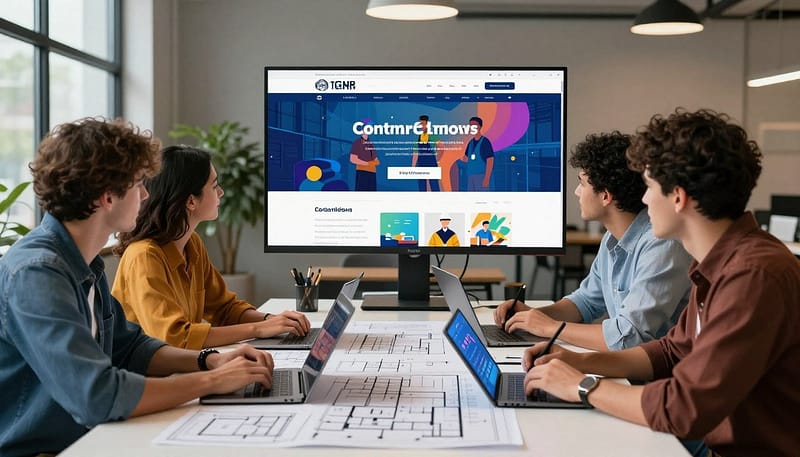
In the modern age, a well-constructed website serves as the backbone of any contractor’s online presence. This site acts as the primary destination for all marketing efforts, making it essential for attracting potential clients. Without a professional website, contractors risk losing valuable leads and opportunities.
Essential Features for Contractors’ Websites
Every contractor’s website should include several key features to ensure it meets user expectations:
- Clear List of Services: Clearly outline the services offered to inform potential clients about what they can expect.
- Portfolio or Project Gallery: Showcase high-quality images of past projects to demonstrate expertise and build trust.
- Customer Testimonials: Include reviews from satisfied clients to enhance credibility.
- Contact Information: Make it easy for visitors to reach out with clear contact details.
- Prominent Call-to-Action: Encourage visitors to take action, whether it’s requesting a quote or scheduling a consultation.
Additionally, incorporating trust signals such as licenses, insurance information, and industry certifications can reassure potential clients about the professionalism and reliability of the services offered.
Mobile Optimization for User Experience
With the majority of users searching for local services on mobile phones and other digital devices, mobile optimization is non-negotiable. Data shows that in 2014, there were 2.32 billion smartphone users worldwide, a number projected to exceed 2.87 billion. Smart tablet users reached 1 billion in 2015, highlighting the importance of catering to mobile users.
A website that isn’t mobile-friendly risks losing a significant portion of potential leads. Google prioritizes mobile-friendly sites in its search results, meaning that mobile optimization affects not only user experience but also search engine rankings. Contractors should ensure their websites use responsive design, feature fast-loading pages, and include click-to-call buttons. This will make it easier for mobile users to contact them quickly, especially during emergencies.
Beyond the website, owned media plays a crucial role in building a digital presence. Consistent branding across social media profiles and directory listings enhances visibility and trust. Contractors should treat their website as a living asset, regularly updating it with new content, project photos, and customer reviews.
In conclusion, a well-built, mobile-optimized website is the foundation upon which all other digital strategies are built. It not only attracts potential clients but also establishes a strong digital presence that can lead to long-term success.
Search Engine Optimization (SEO) for Contractors
For contractors, mastering the art of search engine optimization is essential in today’s competitive environment. SEO involves optimizing a contractor’s website and online presence to rank higher in search engine results for relevant queries. This practice is crucial for attracting potential clients who search for services online.
Local SEO is particularly important. Most clients look for services in their immediate area, often using phrases like “roofer near me” or “landscaping services in [city].” By focusing on local SEO strategies, contractors can significantly enhance their visibility.
Local SEO Strategies to Attract Nearby Clients
Here are some effective local SEO tactics:
- Claim and Optimize Your Google My Business Profile: This is a critical step. Ensure that your profile is complete with accurate information, photos, and service descriptions.
- Build Consistent NAP Citations: Your Name, Address, and Phone number should be consistent across all online directories. This consistency helps search engines trust your business.
- Gather Positive Customer Reviews: Encourage satisfied clients to leave reviews on platforms like Google and Yelp. Positive reviews can enhance your credibility and attract new clients.
Keyword Research and On-Page SEO Best Practices
Effective keyword research is vital for contractors. Identifying the terms potential clients use when searching for services can guide your content strategy. Here are some tips:
- Use Tools for Keyword Research: Tools like Google Keyword Planner can help you find relevant keywords.
- Optimize Title Tags and Meta Descriptions: Make sure these elements include targeted keywords to improve your search engine ranking.
- Create Location-Specific Service Pages: Develop separate pages for each city or neighborhood you serve. This can help you rank for local searches.
Understanding how digital media consumption patterns have shifted is crucial. With 43% of adults now getting news from websites and social media, contractors must be visible in search results. SEO is a long-term strategy that builds sustainable organic traffic, unlike paid ads that stop delivering results once the budget runs out.
Finally, track your SEO performance using tools like Google Search Console and Google Analytics. Monitoring your rankings, traffic, and conversions will help you refine your strategies over time. Mastering local SEO is one of the most cost-effective ways for contractors to attract a steady stream of qualified leads.
Leveraging Social Media Platforms Effectively

Social media has become an essential tool for businesses to connect with clients. For contractors, it offers a unique way to showcase work, build relationships, and engage with past customers. With the right strategies, contractors can significantly enhance their online presence and attract new clients.
Choosing the right platforms is crucial. Different social media channels cater to various audiences and content types. For example, visual platforms like Instagram and Facebook are ideal for sharing stunning before-and-after photos of projects. YouTube is perfect for showcasing detailed project walkthroughs and time-lapse videos, while LinkedIn can help connect with commercial clients.
Choosing Platforms That Work
When selecting social media platforms, consider where your target audience spends their time. Here are some recommendations:
- Instagram: Great for visual content, allowing contractors to share project images and client testimonials.
- Facebook: Useful for community engagement and sharing updates about services.
- YouTube: Ideal for video content, providing opportunities to create engaging project showcases.
- LinkedIn: Best for connecting with other professionals and potential commercial clients.
Creating Engaging Content for Social Media
Creating compelling content is key to capturing audience attention. Here are some effective content ideas:
- Before-and-After Photos: Showcase transformations to demonstrate your skills.
- Time-Lapse Videos: Provide a behind-the-scenes look at projects from start to finish.
- Client Testimonials: Share positive feedback to build trust and credibility.
- Educational Posts: Offer tips on home maintenance to position yourself as an expert.
Consistency is vital in maintaining engagement. Regularly posting content helps build a loyal community around your business. Consider creating a content calendar to align posts with seasonal work, ensuring a steady stream of relevant updates throughout the year.
Additionally, using social media display ads and boosted posts can extend your reach beyond organic followers. Target specific demographics to connect with potential clients effectively. Video content, in particular, has immense potential; top YouTube creators earn millions, and local contractors can use similar strategies to establish authority and trust.
Remember, social media is not just about broadcasting your services. It’s about building genuine connections. Engage with your audience by responding to comments and participating in conversations. This interaction can humanize your brand and keep your business top-of-mind when potential clients need services.
By leveraging social media effectively, contractors can enhance their visibility and foster relationships that lead to new business opportunities. This approach is not just about marketing; it’s about creating a community around your brand.
| Platform | Best Use | Content Type |
|---|---|---|
| Visual project displays | Photos, Stories | |
| Community engagement | Updates, Events | |
| YouTube | Video content | Project walkthroughs, Tutorials |
| Professional networking | Articles, Connections |
For more insights on how to elevate your contracting business, visit this resource.
Email Marketing Tactics for Client Engagement
Email communication is one of the most effective ways for contractors to connect with clients. This channel offers high return on investment (ROI) and enables direct communication with both past and potential customers. By leveraging email, contractors can maintain engagement and foster relationships that lead to repeat business.
Building a subscriber list is the first step in a successful email strategy. Contractors can grow their lists by offering valuable incentives. For instance, providing free estimates, seasonal maintenance checklists, or exclusive discounts can encourage users to share their email addresses. These strategies not only increase your list but also attract interested clients.
Building and Growing Subscriber Lists
Segmenting email lists is essential for effective campaigns. Contractors should categorize subscribers based on service type, location, and customer history. This approach allows for more relevant content delivery, ensuring that clients receive information tailored to their needs.
Planning Effective Email Campaigns
When planning email campaigns, contractors should consider several strategies. Sending post-service follow-ups helps maintain relationships and encourages feedback. Seasonal reminders for services, such as HVAC tune-ups or landscaping cleanups, can also keep your business top-of-mind. Additionally, newsletters showcasing recent projects can engage clients and demonstrate expertise.
Crafting compelling subject lines and email content is crucial. Engaging subject lines can drive opens and clicks, while well-written content maintains a professional brand image. Avoiding spam filters is essential to ensure your emails reach their intended audience.
Automation plays a vital role in email marketing. Setting up triggered emails for new subscribers or post-service review requests can save time and enhance engagement. By automating these processes, contractors can focus on other aspects of their business while maintaining communication with clients.
Measuring email marketing success is key to continuous improvement. Metrics such as open rates, click-through rates, and conversion rates provide valuable insights. Analyzing this data allows contractors to refine their strategies and improve future campaigns.
Email marketing is a form of owned media that contractors fully control. Unlike social media platforms, which can limit organic reach, email provides a direct line to clients. A well-executed email strategy not only builds lasting relationships but also generates repeat business efficiently.
Content Marketing: Creating Valuable Digital Media
Creating valuable content is essential for home service businesses to connect with their audience. Content marketing involves strategically crafting and distributing relevant media to engage potential clients effectively. This approach not only attracts new customers but also builds lasting relationships with existing ones.
One of the most effective ways to engage your audience is through blogs. By answering common customer questions, you can demonstrate your expertise and improve your website’s search engine rankings. Targeted content helps your business appear in relevant searches, making it easier for potential clients to find you.
Using Blogs, Videos, and Visual Content
Video content holds immense power for home service providers. Consider creating project walkthroughs, how-to tutorials, and client testimonials. Behind-the-scenes footage can also build trust and authenticity, showing potential clients the quality of your work.
Visual content is equally important. Before-and-after photo galleries can showcase your projects effectively. Infographics about home maintenance provide valuable information in an engaging format. A digital portfolio can highlight your best work, making it easier for clients to see your capabilities.
The democratization of content creation means you don’t need expensive equipment. A smartphone is often sufficient to create high-quality digital media. This accessibility allows more people to participate in content creation, enabling your business to share its story and expertise.
Distributing Content on Digital Media Platforms
Once you create valuable content, distributing it effectively is crucial. Use platforms like YouTube, Facebook, and Instagram to maximize your reach. Each platform has its strengths; for instance, YouTube is great for video content, while Instagram excels in visual storytelling.
Don’t forget your own website. Regularly updating it with fresh content supports your SEO efforts. Search engines reward websites that consistently publish relevant information, improving your visibility in search results.
Consider creating a digital edition of a seasonal maintenance guide or an e-book. This can serve as a lead magnet to grow your email subscriber list. By providing valuable information, you position yourself as an authority in your industry.
In conclusion, investing in content marketing is a long-term strategy. Over time, it generates organic traffic and leads, helping your business thrive in a competitive landscape. By creating and distributing valuable content, you can establish your brand and connect with clients effectively.
Paid Advertising Strategies for Contractors
In the competitive world of contracting, paid advertising can be a game-changer. It offers a quick way to generate leads and boost visibility. This approach complements organic strategies like SEO and content creation. By utilizing paid media effectively, contractors can reach their target audience and drive more business.
Paid media includes promotional channels that businesses invest in, such as search ads, social media ads, and display ads. These channels are crucial for reaching potential clients actively searching for services. Let’s explore how to set up effective campaigns and target the right audience.
Running Google Ads and Social Media Ads
Google Ads is a powerful tool for contractors. You can create Local Services Ads, Search Ads, and Display Ads. These ads target users actively looking for contracting services. For example, Local Services Ads appear at the top of search results, connecting you with nearby clients. When setting up your ads, focus on relevant keywords and locations.
Social media platforms like Facebook and Instagram also offer advertising opportunities. These platforms allow detailed targeting based on location, income, and homeownership status. This means you can reach homeowners who are most likely to need your services. For instance, targeting by zip code ensures your ads reach the right audience.
Budgeting and Target Audience Targeting
Budgeting for paid ads is essential. Start by calculating your cost-per-lead and cost-per-acquisition based on your average job value. This helps you determine how much to spend on ads while ensuring profitability. Remember, businesses using Google Ads typically earn $2 for every $1 spent.
Creating dedicated landing pages for your ad campaigns is crucial. These pages should have clear calls-to-action, trust signals, and easy contact forms. This optimization can significantly improve conversion rates. Additionally, consider using retargeting ads to stay in front of visitors who didn’t convert on their first visit. This keeps your business top-of-mind and encourages potential clients to return.
Lastly, track and measure your advertising performance using conversion tracking and analytics. This allows you to see which ads perform best and adjust your strategy accordingly. Effective ad copy can also make a difference. Highlight unique selling propositions like “family-owned,” “licensed and insured,” or “same-day service” to build credibility.
| Ad Type | Description | Targeting Options |
|---|---|---|
| Google Local Services Ads | Appear at the top of search results for local services. | Location-based targeting |
| Search Ads | Text ads displayed on search engine results pages. | Keyword targeting |
| Display Ads | Visual ads shown on websites and apps. | Demographic and interest-based targeting |
| Social Media Ads | Ads on platforms like Facebook and Instagram. | Location, income, and interests |
In conclusion, when executed strategically, paid advertising can provide a predictable and scalable source of leads for contracting businesses. By utilizing tools like Google Ads and social media platforms, contractors can enhance their visibility and connect with potential clients effectively.
Measuring Success with Analytics and Data
For contractors, knowing how to measure success can make all the difference in a competitive market. Understanding analytics allows businesses to see which efforts are driving real results. This section will explore key tools and metrics that contractors should monitor to enhance their performance.
Key Tools and Metrics to Monitor
Several tools can help contractors track their online performance effectively. Google Analytics is essential for analyzing website traffic and user behavior. Google Search Console provides insights into search performance, while call tracking software like CallRail helps attribute phone leads to specific campaigns.
Here are the most important metrics to keep an eye on:
- Website Traffic: Indicates how many visitors are coming to your site.
- Bounce Rate: Shows the percentage of visitors who leave without interacting.
- Conversion Rate: Measures the percentage of visitors who complete desired actions, like filling out a form.
- Cost Per Lead: Calculates how much you spend to acquire a new lead.
- Customer Acquisition Cost: The total cost of acquiring a new customer.
- Return on Ad Spend: Evaluates the revenue generated for every dollar spent on advertising.
How to Interpret Data for Continuous Improvement
Setting up conversion tracking is crucial for measuring meaningful actions, such as phone calls, contact form submissions, and online booking requests. This tracking allows contractors to see which services generate the most traffic and which geographic areas yield the highest-quality leads.
Regular reporting and analysis are vital. They enable contractors to make data-driven decisions instead of relying on gut feelings. The digital era has made data more accessible than ever, allowing even small businesses to leverage advanced analytics.
By continuously monitoring performance, contractors can reallocate budgets from underperforming ads to those that deliver results. Electronic devices and digital tools make it possible to track customer journeys from the first click to the completed job.
In conclusion, a commitment to measuring and analyzing data separates successful contractors from those who waste resources on ineffective strategies. Embracing analytics is essential for navigating the complexities of today’s market.
| Metric | Description | Importance |
|---|---|---|
| Website Traffic | Total number of visitors to your site. | Indicates overall interest in your services. |
| Bounce Rate | Percentage of visitors who leave after viewing one page. | Helps assess website engagement. |
| Conversion Rate | Percentage of visitors who take a desired action. | Measures effectiveness of marketing efforts. |
| Cost Per Lead | Cost incurred to acquire a new lead. | Essential for budgeting and ROI analysis. |
Incorporating New Digital Trends and Technologies
The evolution of technology has significantly reshaped how businesses operate and engage with their customers. In today’s fast-paced environment, contractors must stay informed about emerging trends that can enhance their services and client interactions.
Mobile Devices, Apps, and Digital Devices Usage
Mobile devices have become indispensable tools for both businesses and consumers. Since the first mobile phone call in 1973, the landscape has dramatically changed. Today, billions of users rely on smartphones to search for local services.
With over 1.5 billion tablet users worldwide, the importance of mobile optimization cannot be overstated. Contractors can leverage mobile apps to streamline communication and provide instant access to services, enhancing customer satisfaction.
The Impact of the Digital Revolution on Contractor Marketing
The digital revolution has fundamentally changed contractor marketing. From the early days of digital computers in the late 1940s to the smartphones that dominate daily life, technology has empowered contractors to create and share media easily.
Emerging trends such as AI-powered chatbots allow for 24/7 customer service, providing instant responses to inquiries. Drone photography can showcase stunning project visuals, while platforms like TikTok and YouTube Shorts offer new avenues for video marketing.
However, contractors must also be aware of the digital divide. Those who fail to adopt new technologies risk falling behind more tech-savvy competitors. Staying informed about emerging technologies and being willing to experiment with new channels is essential for success.
As consumer behavior shifts, contractors must adapt their marketing strategies to meet clients where they spend their time. The rise of digital media consumption means understanding how to effectively engage audiences through various platforms.
In conclusion, embracing the digital revolution is not optional. It is essential for contractors who want to remain competitive and relevant in the modern marketplace. By leveraging new technologies, contractors can differentiate themselves and enhance their business practices.
Local Marketing and Geotargeting Strategies

In an era where location often dictates business success, understanding local marketing strategies is vital for contractors. Local marketing and geotargeting are critical digital strategies that help contractors reach clients in specific geographic areas. With the rise of mobile devices, local searches have become a primary way people find services.
Many users searching for local services on their smartphones often make contact within 24 hours. Therefore, having a robust local presence is essential. One effective method is optimizing your Google My Business profile, which can significantly enhance visibility in local search results.
Optimizing Google My Business and Local Listings
To optimize your Google My Business profile, follow these steps:
- Select the Right Categories: Choose categories that accurately reflect your services.
- Upload High-Quality Photos: Visuals can attract more clients; include images of your work and your team.
- Collect and Respond to Reviews: Encourage satisfied customers to leave positive reviews and engage with them.
- Post Regular Updates: Share news, offers, and updates to keep your profile active.
Additionally, local listings and citations across directories like Yelp, Angi, HomeAdvisor, and the Better Business Bureau help build consistent online authority. This consistency boosts your credibility and improves your chances of appearing in local search results.
Example of Effective Local Presence: Visit this local landscaping business
A great example of effective local presence can be found at Visit this local landscaping business. This landscaping company has optimized its Google Maps listing by ensuring complete and accurate business information. They showcase compelling photo galleries, feature positive customer reviews, and actively engage with the local community.
Moreover, geotargeting in paid advertising allows contractors to show ads only to users within a specific radius of their service area. This strategy maximizes ad spend efficiency and ensures that marketing efforts reach the right audience.
Local content marketing also plays a vital role. Creating blog posts about neighborhood-specific projects or seasonal services tailored to the local climate can further enhance visibility. By optimizing for local SEO and Google My Business, contractors can appear in the coveted “Local Pack” of search results, driving significant traffic and leads.
Lastly, addressing the digital divide is essential. Contractors who embrace local digital marketing will thrive, while those relying solely on analog methods like Yellow Pages risk falling behind. A strong local presence is the foundation of effective online strategies, and the example provided demonstrates what is possible with consistent effort.
Conclusion
In conclusion, the journey to mastering online strategies is crucial for every contractor aiming to thrive in today’s competitive landscape. This comprehensive blueprint has outlined essential tactics, from optimizing your website to leveraging social media and email communication. By embracing the digital revolution, you can effectively reach potential clients who increasingly rely on digital media to find services.
Success requires a balanced approach, combining paid media, owned media, and earned media. The strategies discussed, including local SEO and targeted advertising, are proven to generate leads and foster business growth. As the industry shifts toward digital-first methods, don’t risk falling behind due to the digital divide.
Take immediate action by auditing your current online presence and identifying areas for improvement. Continuous learning and adaptation are vital as new technologies emerge. Remember, keeping your digital assets updated is essential to avoid a digital dark age. Leverage the expertise of a Digital Marketing Expert for Landscapers to guide you in implementing these strategies effectively.
Start transforming your business today by booking your Free 15 Minute Discovery Call. Together, we can identify growth opportunities and outline a tailored strategy that will set you on the path to success.