
Have you ever wondered if investing in a marketing agency can truly transform your business? This question weighs heavily on the minds of many entrepreneurs. In today’s competitive landscape, getting noticed is crucial. However, the cost of hiring a digital marketing agency for small business can seem daunting.
Effective marketing is essential for growth, especially when potential customers may not even know you exist. If you lack the resources for an in-house team, partnering with a boutique agency can provide tailored services to elevate your visibility. This article serves as a comprehensive guide, helping you navigate the crowded world of marketing services.
We will explore user intent, the advantages of hiring an agency, and how to evaluate costs versus returns. By the end, you’ll have a clearer understanding of whether this investment is right for your business. With insights from real agency reviews and pricing details, you’ll be better equipped to make informed decisions.
Key Takeaways
- Understanding the value of investing in marketing services.
- Identifying the benefits of agency partnerships.
- Evaluating costs against potential returns.
- Learning about different types of marketing agencies.
- Accessing real reviews and pricing insights.
Understanding the User Intent Behind Searching for a Digital Marketing Agency for Small Business
When small business owners search for a marketing agency, they are often driven by a specific purpose. They are not just browsing; they seek solutions to pressing challenges. These challenges can vary widely, but they often revolve around achieving commercial goals and overcoming obstacles in the competitive landscape.
Commercial Goals and Growth Expectations
Small businesses typically have clear commercial goals in mind. Here are some of the most common objectives:
- Increasing local leads to boost sales.
- Growing online sales through effective strategies.
- Building brand awareness within a specific service area.
- Outperforming local competitors in search results.
Growth expectations can differ by industry. For instance, service-based businesses, like landscapers, often require immediate lead generation. In contrast, e-commerce businesses may focus on long-term organic traffic growth through SEO.
Common Challenges Small Businesses Face in Marketing
Many small business owners feel overwhelmed by the complexities of modern marketing. They must navigate:
- Frequent algorithm changes that impact search visibility.
- New platform features that require constant adaptation.
- The ongoing demand for fresh, engaging content.
Common challenges include limited time to manage campaigns and a lack of in-house expertise in areas like SEO and paid advertising. Many struggle to measure which marketing efforts actually drive revenue, leading to frustration.
Moreover, small businesses often find it hard to compete with those that have dedicated marketing teams or agency support. This urgency to find external solutions can lead them to seek professional expertise.
Understanding user intent is crucial for agencies. It allows them to tailor their services to meet specific business needs. For example, a landscaping company might benefit from a focus on local SEO, while a retail brand may require social media marketing strategies.
Often, the search for a marketing agency is triggered by specific pain points. These could include a drop in website traffic, poor conversion rates, or realizing that competitors are dominating local search results. Many owners have already attempted DIY marketing and are now looking for professional assistance to achieve better results with less stress.
These insights into user intent pave the way for understanding the benefits and types of agencies that can help address these challenges effectively.
Top 10 Benefits of Hiring a Digital Marketing Agency for Small Business

Engaging a professional team can significantly impact your operations. Many small business owners face the challenge of juggling marketing tasks while managing daily operations. This is where a marketing agency comes into play, offering numerous advantages that can streamline your efforts and enhance growth.
Reducing Stress and Saving Time
One of the primary benefits of hiring a digital marketing agency is the reduction of stress. Owners often feel overwhelmed by the need to balance marketing alongside client work and administrative tasks. By outsourcing these responsibilities, you can focus on what you do best—serving your clients.
Agencies take care of everything from market research to content creation and campaign optimization. This means you can dedicate your time to revenue-generating activities instead of getting bogged down in marketing details.
Cost Efficiency Compared to In-House Teams
Hiring a full in-house marketing team can be costly. You must consider salaries, benefits, training, and subscriptions for various tools. In contrast, partnering with an agency allows you to pay a flat monthly fee. This fee typically covers all the necessary resources and expertise.
For instance, a landscaping business might find it more affordable to hire an agency that already has access to premium tools and services than to hire a full-time employee.
Access to Advanced Tools and Expertise
Agencies often have access to expensive tools for SEO, analytics, and competitive research. These tools can be cost-prohibitive for individual businesses. By leveraging these resources, you can gain insights that drive better results.
Moreover, agencies employ specialists in various fields such as SEO, content marketing, and social media. This diverse expertise provides your business with a full team of professionals for less than the cost of one full-time employee.
Staying Ahead of Marketing Trends and Algorithm Changes
Marketing is an ever-evolving field. Agencies stay updated on the latest trends and Google algorithm changes. This ensures that your campaigns remain effective without requiring you to invest time in ongoing education.
By keeping your strategies current, you can maintain a competitive edge and improve your online visibility.
Partnering for Long-Term Business Growth
Finally, hiring an agency means forming a long-term partnership that can lead to sustained growth. Agencies provide unbiased opinions and strategic advice based on their experience across various industries.
For example, a landscaping company could benefit from an agency that manages local SEO and Google Business Profile optimization. This allows the owner to focus on completing projects and satisfying clients while the agency drives lead generation.
Over time, the relationship with your agency becomes more valuable as they gather data and insights tailored to your specific needs.
Types of Marketing Agencies Small Businesses Can Choose From
Choosing the right type of marketing agency can greatly influence the success of your promotional efforts. Different agencies specialize in various aspects of marketing, and understanding these distinctions is essential for small businesses. The right choice depends on your specific goals, budget, and target audience.
Traditional Agencies – Offline Marketing Specialists
Traditional agencies focus on offline marketing channels. They handle advertising through television, radio, print, and direct mail. Their reach is often limited to local markets, making them ideal for businesses targeting specific geographic communities.
Digital Ad Agencies – Focus on Online Campaigns
Digital ad agencies specialize in online campaigns. They cover everything from website development to social media advertising and search engine marketing. These agencies are perfect for businesses looking to establish or enhance their digital presence.
Creative Boutiques – Design and Content Experts
Creative boutiques excel in design and content creation. They offer services like ad redesign, copywriting, and visual content production. These agencies are beneficial for businesses that have in-house tools for monitoring results but lack creative staff.
Media Buying Agencies – Optimizing Ad Placements
Media buying agencies focus on placing advertising materials in optimal channels. They leverage their connections with networks to secure the best deals on ad placements. This expertise helps businesses maximize their advertising budgets.
Full-Service Agencies – All-in-One Marketing Solutions
Full-service agencies provide comprehensive solutions. They handle every step of a marketing campaign, from ideation to execution and measurement. This option is suitable for businesses that may not have any marketing staff, as these agencies can manage all aspects of their marketing needs.
When choosing an agency, assess your internal capabilities. If you have no marketing team, a full-service agency might be the best fit. However, if you have some resources, a specialized boutique or digital ad agency could be more appropriate.
Keep in mind that many agencies offer overlapping services. Focus on finding an agency whose core strengths align with your primary marketing needs. For example, a landscaping business might benefit most from a full-service agency that can handle local SEO, social media, and paid ads together.
In the next section, we will explore the specific digital marketing services that agencies typically offer to small businesses.
Key Digital Marketing Services Offered by Agencies for Small Businesses
Understanding the core services offered by agencies can empower business owners to make informed decisions. Each service plays a vital role in driving growth and achieving business goals. Here’s a breakdown of the five key services that many agencies provide:
Search Engine Optimization (SEO)
SEO is the process of improving a website’s visibility in search results. This involves several techniques, including on-page optimization, technical SEO, local SEO, and link building. By enhancing your website’s ranking, you can attract more organic traffic and leads without relying solely on paid ads. For example, a landscaping company that ranks higher for local keywords will see more inquiries and quote requests.
Social Media Marketing and Advertising
This service focuses on using platforms like Facebook, Instagram, and LinkedIn to build brand awareness. Agencies help businesses engage with customers and run targeted paid campaigns. These campaigns can drive traffic to your website and lead to conversions. A well-crafted social media strategy can turn casual browsers into loyal customers.
Email Marketing and Lead Generation
Email marketing involves building a list of potential customers and nurturing them through automated campaigns. By sending personalized content and strategic offers, businesses can guide leads toward making a purchase or booking a service. This method keeps your brand top-of-mind and can significantly increase sales over time.
Content Marketing and Web Development
Creating valuable content, such as blog posts and videos, helps attract and educate potential customers. This content not only supports SEO efforts but also establishes your business as an authority in your industry. Agencies can also assist with web development, ensuring your site is user-friendly and optimized for conversions.
Pay-Per-Click (PPC) Campaigns
PPC is a form of paid advertising where businesses only pay when someone clicks on their ad. This includes Google Ads and social media ads. PPC campaigns can deliver immediate traffic and leads, especially during peak seasons. For instance, a landscaping company can use PPC to capture leads quickly while organic strategies build momentum.
Many agencies also offer specialized services like conversion rate optimization and reputation management. The best agencies customize their service packages based on each client’s unique needs. This ensures that businesses only pay for services that directly contribute to their goals.
By understanding these core services, small business owners can have more productive conversations with potential agencies. They can ask better questions and find solutions that truly align with their needs.
How to Choose the Right Digital Marketing Agency for Small Business
Selecting the right marketing partner can be a game-changer for your company. The process requires careful consideration and a structured approach. Here’s a step-by-step evaluation framework to guide you through choosing the best agency for your needs.
Identifying Your Business Goals and Needs
The first step is to clearly define your business goals. Ask yourself what you want to achieve. Are you looking to increase website traffic by a certain percentage? Or perhaps generate a specific number of leads each month? Defining measurable objectives will help you communicate effectively with potential agencies.
Evaluating Agency Expertise and Industry Experience
Next, assess the expertise of each agency. Look for certifications like Google Agency Partner or HubSpot Diamond Certified status. Additionally, check their experience in your industry. An agency that understands your market can provide tailored strategies that resonate with your audience.
Checking Client References and Case Studies
Don’t just rely on testimonials. Request specific examples of results achieved for clients with similar challenges and budgets. This will give you insight into the agency’s capabilities and whether they can deliver on their promises.
Determining Budget and Pricing Models
Understanding your budget is crucial. Different agencies offer various pricing models, including monthly retainers, project-based fees, and performance-based pricing. Knowing what to expect will help you make informed decisions and find an agency that fits your financial plan.
During your interviews with potential agencies, consider asking the following questions:
- How do you measure success?
- What reporting cadence do you offer?
- Who will be my day-to-day point of contact?
- How do you handle underperforming campaigns?
It’s essential to find an agency that communicates clearly and sets realistic expectations. Avoid agencies that push a one-size-fits-all package. Instead, look for one that shows genuine interest in understanding your business.
Lastly, remember that the cheapest option is rarely the best value. Focus on the potential return on investment rather than just the upfront cost. Local service businesses, like landscapers, should prioritize agencies with proven experience in local SEO and lead generation strategies.
Taking the time to vet agencies properly will lead to a more productive partnership and better marketing results.
Detailed Review of Top Digital Marketing Agencies for Small Business in the United States

Finding the right marketing partner can significantly impact your company’s success. Below, we explore some of the top agencies in the U.S. that specialize in various services. Each agency has unique strengths, making them suitable for different types of clients.
WebFX – Comprehensive SEO and Automation Tools
WebFX stands out for its all-encompassing digital solutions. They offer services like local SEO, content creation, and social media management. Their pricing is transparent, and clients receive dedicated account managers. This structure ensures personalized attention and strategic guidance.
Lyfe Marketing – Social Media Specialists
Lyfe Marketing is an award-winning agency focusing on social media. They excel in content creation and running effective Facebook and Google ads. Their pricing is competitive, making them an excellent choice for businesses looking to enhance their social media presence.
Blu Mint – Customized Full-Service Digital Marketing
Blu Mint provides tailored strategies that align with each client’s vision. Their services include SEO, paid advertising, and web design. They utilize both local and remote talent, ensuring diverse expertise to meet client needs.
Thrive – E-Commerce and Amazon Market Focus
Thrive is particularly known for its work with eCommerce businesses. They specialize in Amazon marketing, helping online stores optimize their presence. Their results-driven campaigns are ideal for small online retailers seeking growth.
Straight North – SEO and PPC Services with Free Audit
Straight North offers a blend of SEO and PPC services. They provide free audits to potential clients, allowing businesses to assess their current marketing efforts. Their pricing starts at $500 monthly for PPC, which is reasonable for the value they deliver.
Ironpaper – B2B Growth and HubSpot Certified
Ironpaper focuses on B2B marketing strategies. As a HubSpot Diamond Certified partner, they offer comprehensive solutions, including website design and lead generation. Their expertise is particularly beneficial for businesses looking to enhance their sales processes.
Ignite Visibility – Multi-location Franchise Marketing
Ignite Visibility specializes in marketing for multi-location franchises. They offer customized strategies tailored to the unique needs of each franchise. Their services include website design and conversion rate optimization, ensuring businesses can maximize their online presence.
SEO Discovery – Affordable and Wide-Ranging Services
SEO Discovery is known for its affordability, making it a great option for startups. They provide a variety of services, including link building and reputation management. Their custom plans cater to the specific needs of each client, ensuring effective solutions.
NinjaPromo – Multi-Channel Marketing Experts
NinjaPromo is a full-service agency offering a wide range of marketing services. They focus on video production, influencer marketing, and community management. Their customized packages are designed to meet diverse client requirements and budgets.
Fiverr Pro – Freelance Experts for Small Business Marketing
Fiverr Pro provides access to highly rated freelance experts. This platform allows businesses to find professionals for various tasks, such as landing page design and local SEO. With varying rates, it offers flexibility for small businesses looking to manage costs effectively.
When choosing an agency, consider your specific industry and needs. For example, WebFX or Straight North might be ideal for service-oriented businesses needing SEO. On the other hand, Thrive could be a better fit for eCommerce brands. Ultimately, the best choice depends on your goals, budget, and preferred working relationship.
Evaluating Costs and ROI of Hiring a Digital Marketing Agency for Small Business
Understanding the financial implications of hiring a marketing agency is essential for any business owner. Many entrepreneurs worry about whether their investment will yield significant returns. Knowing what to expect can help alleviate these concerns and guide your decision-making process.
Common Pricing Structures and What to Expect
Marketing agencies typically offer several pricing structures. These include:
- Monthly Retainers: Ranging from $500 to $5,000 or more, depending on the scope of services.
- Project-Based Fees: Charged for specific deliverables, like website redesigns.
- Performance-Based Pricing: Fees tied to the leads or sales generated through campaigns.
For instance, agencies like Straight North offer PPC services starting at $500 monthly. WebFX provides transparent pricing with customizable plans, while SEO Discovery is known for its competitive rates on individual services.
Measuring Marketing Campaign Performance and ROI
To determine if your agency investment is worthwhile, track key performance metrics. Consider the following:
- Cost Per Lead: Calculate how much you spend to acquire each lead.
- Customer Acquisition Cost: Assess the total cost to gain a new customer.
- Conversion Rates: Measure the percentage of leads that turn into paying customers.
- Lifetime Customer Value: Estimate the total revenue a customer will generate over their relationship with your business.
By comparing these metrics against your monthly agency fee, you can evaluate your return on investment effectively.
Negotiating Custom Plans to Fit Your Budget
Many agencies are open to customizing plans that align with your budget. Here are some tips for negotiating:
- Start with a focused set of services to keep costs manageable.
- Consider requesting a pilot project to test the agency’s effectiveness before committing to a long-term contract.
- Be transparent about your budget and expected outcomes to foster collaboration.
For example, a landscaping company might invest $1,500 monthly in local SEO and PPC, leading to $10,000 in new contracts. This highlights the potential revenue generated from a well-structured marketing investment.
Many reputable agencies offer free audits or initial consultations. This allows businesses to gain insights into their marketing opportunities without financial commitment. Transparency in pricing is crucial, as agencies that openly publish their rates demonstrate confidence in their value.
Ultimately, the true measure of an agency’s cost is not just the monthly fee but the net profit generated after accounting for their impact on revenue growth.
| Pricing Structure | Typical Range | Notes |
|---|---|---|
| Monthly Retainers | $500 – $5,000+ | Based on service scope and complexity. |
| Project-Based Fees | Varies | Charged for specific deliverables like website redesigns. |
| Performance-Based Pricing | Varies | Tied to leads or sales generated from campaigns. |
Top Strategies Small Businesses Should Expect From a Marketing Agency

Understanding the strategic methods that high-performing agencies employ can set your business apart. The right agency will provide tailored solutions that drive growth and enhance your online presence. Here are the top strategies you should expect:
Data-Driven SEO Approaches
Effective agencies go beyond basic keyword optimization. They conduct competitive analysis, technical audits, and identify content gaps. Continuous performance tracking ensures your website adapts to changing algorithms and market demands. For example, a landscaping company might rank higher for local keywords by implementing these strategies.
Targeted Social Media Campaigns
Social media marketing should be based on thorough audience research. Agencies create platform-specific content strategies and precise ad targeting. This allows businesses to reach potential customers based on demographics, interests, and geographic location. A well-targeted Facebook ad can generate quote requests from homeowners in your service area.
Personalized Content and Brand Development
Creating a distinctive brand voice and visual identity is essential. Agencies help develop a content strategy that resonates with your audience. This differentiation is crucial in a crowded market. A unique approach can make your business memorable and engaging.
Lead Nurturing and Email Marketing Automation
Capturing leads through website forms and landing pages is just the beginning. Effective agencies implement automated email sequences that build trust and demonstrate expertise. Over time, this nurtures leads and encourages conversions. For instance, a landscaping business could send seasonal maintenance tips to keep their brand top-of-mind.
High-performing agencies utilize data to inform every decision. They continuously test and optimize campaigns based on performance metrics, ensuring strategies remain effective. A cohesive marketing ecosystem integrates SEO, social media, content, and email marketing to convert leads into customers.
Expect your agency to provide clear rationales for their recommendations. They should explain not just what they will do, but why it is the right approach for your specific business and market. Adaptability is key; agencies should evolve their strategies based on performance data and market changes.
Ultimately, a strategic partnership with an agency should feel like having a dedicated marketing department. They proactively identify opportunities and address challenges, ensuring your business thrives in a competitive landscape.
How Digital Marketing Agencies Help Small Businesses Gain Online Visibility and Traffic
Gaining insight into how agencies drive traffic online is crucial for growth. Many small companies struggle to stand out in a crowded market. Digital marketing agencies like Vai Digital Solutions offers effective solutions to enhance visibility and attract potential customers. Here are the primary channels they use:
Search Engine Optimization Techniques
SEO is essential for improving organic rankings on search engines. Agencies implement various techniques to ensure that businesses are easily found online. Key strategies include:
- Keyword Research: Tailored to local search intent, helping businesses rank for relevant terms.
- On-Page Optimization: Improving title tags and meta descriptions to attract clicks.
- Technical Improvements: Enhancing site speed and mobile responsiveness for better user experience.
- Quality Backlinks: Building links from authoritative local and industry websites to boost credibility.
Paid Advertising Campaigns Across Platforms
Agencies run targeted paid advertising campaigns to generate immediate traffic. They utilize platforms such as:
- Google Ads: Targeting users actively searching for specific services.
- Facebook and Instagram Ads: Reaching potential customers based on demographics and interests.
- LinkedIn Ads: Ideal for B2B services looking to connect with professionals.
- YouTube Ads: Engaging users with video content that showcases services.
Utilizing Content Marketing and PR
Content marketing is vital for building brand authority. Agencies create valuable content that attracts traffic, including:
- Blog Posts: Informative articles about relevant topics, such as seasonal lawn care tips for landscaping.
- Informative Videos: Engaging visual content that showcases services.
- Press Mentions: Gaining exposure through media coverage.
- Guest Articles: Contributing to industry websites to enhance visibility.
- Shareable Social Media Content: Creating posts that encourage organic engagement.
For example, a landscaping company can appear in the Google Local Pack for searches like “landscaper near me.” They might run Google Ads for “landscape design services” and publish blog content that attracts homeowners researching online. This combination of strategies generates leads and builds long-term visibility.
Agencies also use tools like Google Analytics and Google Search Console to track performance. They analyze which channels drive the most valuable traffic and adjust budgets accordingly. Retargeting is another effective tactic, showing ads to users who have previously visited the website, keeping the brand top-of-mind.
With expertise in local markets, agencies leverage geographic targeting and local keywords. This ensures businesses appear prominently when nearby customers search for services. Ultimately, online visibility is about reaching the right audience at the right time with the right message. This is where agency expertise creates the most value.
Benefits of Local SEO and How Agencies Can Help Target Your Community

Local search optimization is a powerful tool that can significantly boost your visibility in your community. For businesses that rely on nearby customers, a strong local search presence is crucial. Research shows that a large percentage of local searches lead to same-day visits or service inquiries. This makes local SEO an essential strategy for growth.
The Importance of Local Search Presence
Local search presence is critically important for businesses serving specific geographic areas. Here are some key reasons:
- Local searches often result in immediate customer action, such as phone calls or visits.
- Optimizing for local search helps you stand out in a competitive market.
- Being visible in local search results increases trust and credibility among potential customers.
Tools and Techniques for Local SEO Optimization
Agencies employ various tools and techniques to enhance local SEO. These include:
- Google Business Profile Management: Ensuring accurate business information and regular updates.
- Local Keyword Research: Targeting neighborhood and city names to improve relevance.
- Citations and Directory Listings: Building presence on platforms like Yelp and industry-specific directories.
- Review Management: Encouraging positive customer reviews to boost rankings.
- Location-Specific Content: Creating content that signals relevance to local queries.
Agencies also optimize for the Google Local Pack, which prominently displays map-based results for local searches. This can drive significant phone calls and direction requests for service businesses.
Examples of Local Success Stories
Local SEO can lead to remarkable success. For instance, a landscaping company that optimized for “landscaper in [city name]” saw a measurable increase in quote requests. Similarly, a home services business expanded into new areas by effectively using local SEO strategies.
Agencies can assist multi-location businesses in managing local SEO across different service areas. They ensure each location has optimized local pages and listings, enhancing visibility and traffic.
Importantly, local SEO is often more cost-effective than paid advertising. Once established, it generates ongoing organic traffic and leads without continuous ad spend. Typically, businesses notice meaningful improvements in local visibility within three to six months of consistent optimization efforts.
In conclusion, local SEO is a vital component of a broader digital strategy. It supports paid advertising, social media, and content marketing efforts, creating a strong foundation for all online activities.
Social Media Marketing: Why It Matters for Small Business Growth
Understanding how to leverage social media effectively can transform the way businesses engage with their audience. In today’s digital landscape, social media is not just about sharing pretty pictures. It plays a crucial role in driving measurable results for companies. Platforms like Facebook and Instagram allow businesses to showcase their services and connect with potential customers.
Choosing the Right Platforms for Your Audience
Selecting the right social media platforms is essential. Each platform caters to different demographics and content types. For instance, Facebook and Instagram are ideal for visually-oriented services, such as landscaping. These platforms allow businesses to post before-and-after project photos that can attract new clients.
On the other hand, LinkedIn may be more suitable for B2B service providers. Understanding where your audience spends their time is key to maximizing engagement and visibility.
Creating Engaging Content and Ads
Creating compelling content is vital for social media success. Agencies often develop tailored content strategies that resonate with the target audience. This includes:
- Before-and-after photos showcasing completed projects.
- Video walkthroughs of services provided.
- Customer testimonials to build trust.
- Educational tips and seasonal promotions to engage followers.
- Behind-the-scenes content that humanizes the brand.
Paid advertising campaigns also play a significant role. Agencies utilize targeted ads to reach specific audiences based on interests, demographics, and location. Creative ad formats are designed to drive traffic to websites, generate leads, and encourage phone calls.
Measuring Social Media Campaign Success
To evaluate the effectiveness of social media efforts, agencies focus on metrics beyond likes and followers. Key performance indicators include:
- Engagement rates to assess interaction with content.
- Click-through rates for tracking website visits.
- Conversion rates to measure lead generation success.
- Cost per lead to evaluate advertising efficiency.
- Return on ad spend to assess overall campaign effectiveness.
For example, a landscaping company might run Facebook ads targeting homeowners in specific zip codes, offering seasonal cleanup services. This targeted approach can lead to higher conversion rates and measurable business growth.
Consistency is also crucial. Regular posting schedules, community management, and reputation monitoring help maintain a positive online presence. Social media marketing is most effective when integrated with other digital efforts, such as promoting blog content and retargeting website visitors.
Agencies bring valuable expertise in navigating platform changes and advertising best practices. When executed strategically, social media marketing can become one of the most cost-effective channels for generating brand awareness, leads, and sales.
Leveraging Email Marketing for Increased Leads and Sales
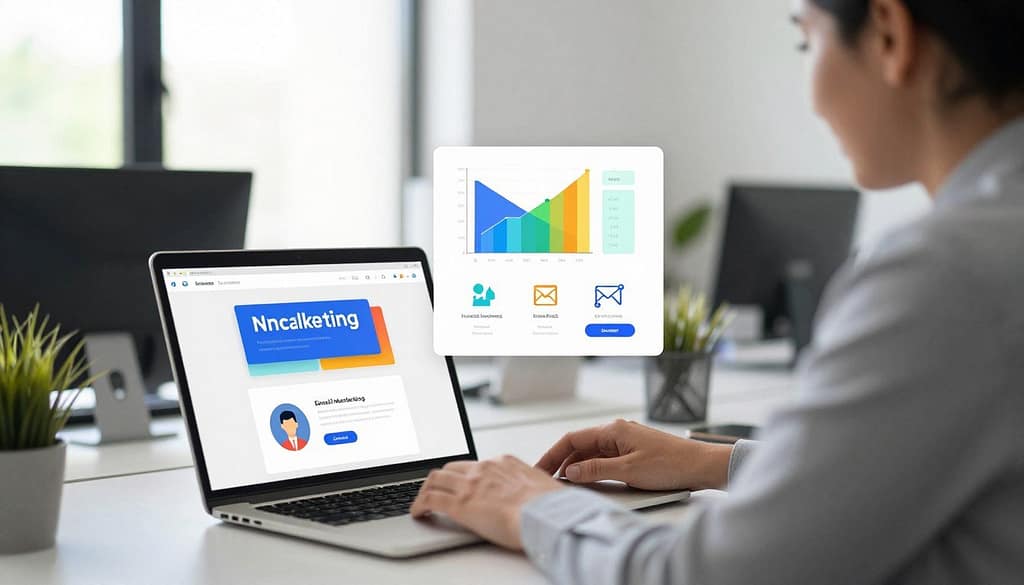
Email marketing remains a powerful tool for nurturing leads and boosting sales. It allows businesses to maintain ongoing relationships with potential customers while encouraging repeat business. For many companies, especially those in service industries, email can be the key to turning interest into action.
Building an effective email list is crucial. Agencies help businesses create valuable lead magnets. These could be free guides, checklists, or discount codes. Such incentives encourage website visitors to share their contact information, setting the stage for future engagement.
Building an Email List That Converts
Once you have a list, the next step is to nurture those leads. Automated email campaigns play a significant role here. Agencies can set up sequences that trigger based on user actions. For instance, welcome emails for new subscribers or follow-ups after a service inquiry can keep your business top-of-mind.
Automated Email Campaigns and CRM Integration
Integrating email marketing with customer relationship management (CRM) systems enhances effectiveness. This connection allows businesses to track interactions and segment audiences based on behavior. By delivering personalized content at scale, businesses can improve engagement and conversion rates.
Personalization and Segmentation Strategies
Personalization is key in email marketing. Agencies utilize segmentation strategies to send tailored content. For example, different messages can be sent to new leads versus existing customers. A landscaping company might send spring cleanup reminders to past clients, while offering special deals to new subscribers.
Agencies also measure email performance through metrics like open rates and conversion rates. This data helps optimize future campaigns, ensuring the highest return on investment. Email marketing is a permission-based channel that fosters long-term relationships. This makes it particularly valuable for businesses that rely on repeat customers and referrals.
Moreover, agencies manage the technical aspects of email marketing. This includes ensuring list hygiene, compliance with spam regulations, and optimizing deliverability. These tasks can be time-consuming for business owners to handle independently.
In conclusion, email marketing, combined with lead generation strategies, creates a systematic process for turning website visitors into leads and leads into loyal customers. By leveraging these techniques, businesses can significantly enhance their growth and sales potential.
| Email Marketing Benefits | Description |
|---|---|
| High ROI | Email marketing is one of the highest-ROI channels, nurturing leads over time. |
| Lead Generation | Agencies help create lead magnets that convert visitors into subscribers. |
| Automated Campaigns | Automated emails keep your business top-of-mind with minimal effort. |
| Personalization | Segmentation strategies enhance engagement and conversion rates. |
| Performance Tracking | Agencies measure key metrics to continuously optimize campaigns. |
How to Monitor and Measure the Success of Your Marketing Agency
Monitoring the effectiveness of your marketing efforts is essential for any business. A solid framework helps ensure that both you and your agency are aligned on goals and expectations. This clarity sets the stage for a successful partnership, allowing you to track progress and make informed decisions.
Key Performance Indicators (KPIs) to Track
Establishing clear key performance indicators (KPIs) from the start is crucial. These metrics will help you assess the success of your campaigns and overall strategy. Here are some important KPIs to consider:
- Website Traffic: Monitor the volume and sources of traffic to your site.
- Conversion Rates: Track phone calls and form submissions to gauge interest.
- Cost Per Lead (CPL): Calculate how much you spend to acquire each lead.
- Customer Acquisition Cost (CAC): Assess the total cost to gain a new customer.
- Return on Ad Spend (ROAS): Measure the revenue generated for every dollar spent on advertising.
- Keyword Rankings: Keep an eye on how well your targeted keywords perform.
- Overall Revenue Growth: Attribute revenue increases to your marketing efforts.
Regular Reporting and Communication
Regular communication with your agency is vital. Expect monthly reports that provide insights into what worked and what didn’t. These reports should include:
- Clear explanations of metrics and results.
- Insights into successful strategies and areas needing improvement.
- Recommendations for upcoming adjustments.
Transparency is key. The agency should share both successes and challenges, allowing you to ask questions about any metrics you don’t understand. This open dialogue fosters a collaborative environment.
Adjusting Campaigns Based on Analytics
Analytics should guide your marketing strategies. Agencies must continuously adjust campaigns based on performance data. This includes:
- Reallocating budget from underperforming channels to those that yield better results.
- Refining targeting based on conversion data.
- Testing new creative approaches based on insights gained.
For service-oriented businesses, specific metrics are essential. Track phone calls generated from Google Business Profile listings, monitor form submissions from local landing pages, and measure the conversion rate from quote requests to signed contracts.
Setting realistic timelines for results is also important. While SEO efforts typically take three to six months to show significant improvement, paid advertising can deliver data and leads within days or weeks. Regular check-in meetings, whether monthly or quarterly, can help you stay aligned with your agency on performance and strategy adjustments.
Ultimately, the best agencies welcome accountability. They should provide clear, data-backed reporting that connects marketing activities to business outcomes. Monitoring and measurement are not about micromanaging but ensuring a productive partnership focused on achieving your growth objectives.
Understanding the Importance of Ongoing Agency Partnership for Continued Growth
A continuous partnership with a marketing team can significantly enhance your business’s growth trajectory. This relationship goes beyond a one-time project; it becomes a vital investment in your company’s future. For landscaping businesses, this means implementing year-round strategies that capture seasonal demand while building a robust pipeline of future work, even during off-seasons.
Viewing an agency as an ongoing growth partner leads to better long-term results. Over time, the agency accumulates deep knowledge of your business, its market, and what strategies resonate with your specific audience. This insight allows them to offer tailored advice that can elevate your operations.
How Agencies Serve as Growth Partners
Agencies provide strategic guidance that extends beyond mere execution of marketing tactics. They can assist with:
- Market expansion strategies
- New service offerings
- Pricing strategies
- Competitive positioning based on data and industry experience
This strategic partnership fosters a collaborative environment where both parties work toward shared goals. As the agency learns more about your business, they can recommend solutions that drive results effectively.
Scaling Marketing Efforts Over Time
Marketing efforts should scale as your business grows. Initially, foundational activities like local SEO and basic paid advertising are essential. As budgets increase, agencies can expand into:
- Content marketing
- Advanced conversion optimization
- Email automation
- New marketing channels
For example, a landscaping company might start with Google Business Profile optimization and local SEO. Over time, they could introduce seasonal PPC campaigns, build an email list for recurring maintenance contracts, and eventually delve into video content and social media advertising for brand awareness.
Staying Agile in Changing Marketing Landscapes
The marketing landscape is constantly evolving. Agencies are equipped to handle changes such as algorithm updates, new platform features, and shifting consumer behaviors. This agility is crucial for maintaining a competitive edge.
For instance, during winter months, a landscaping company can maintain visibility and lead generation through content marketing focused on snow removal services or early-bird spring promotions. By adapting strategies to seasonal fluctuations, agencies help businesses remain relevant year-round.
Long-term agency partnerships create compounding returns. As agencies accumulate data, they can target audiences more precisely, leading to better decision-making. The understanding of your business deepens over time, allowing for proactive recommendations tailored to each growth stage.
While ongoing agency fees may seem like an expense, they should be viewed as an investment. This investment generates increasing returns as campaigns are optimized and brand presence strengthens. Businesses that treat marketing as an ongoing strategic function consistently outperform those that approach it sporadically.
| Marketing Strategy | Initial Focus | Long-Term Expansion |
|---|---|---|
| Local SEO | Optimize Google Business Profile | Expand into broader geographic areas |
| PPC Campaigns | Seasonal promotions | Year-round campaigns |
| Email Marketing | Build a subscriber list | Automate campaigns for recurring services |
| Content Marketing | Blog posts on seasonal topics | Video content and social media ads |
How to Contact and Start Working with a Digital Marketing Agency for Your Small Business
When you’re prepared to engage a marketing agency, knowing how to start the conversation is key. Taking the first step toward hiring an agency can seem daunting, but it can lead to significant growth for your company. Here’s a clear guide to help you navigate this process.
Preparing Your Business Information and Goals
Before reaching out, gather essential business information. This preparation will make your initial consultations more productive. Consider compiling the following:
- Current website analytics data to understand your online performance.
- A list of existing marketing activities and their results to provide context.
- Information about your target customers and service areas to define your audience.
- Examples of competitors’ marketing strategies to benchmark against.
- A clear articulation of your business goals and budget range to set expectations.
Setting Expectations and Goals for Collaboration
Setting realistic expectations is crucial for a successful partnership. Discuss timelines for seeing results from various marketing channels. Understand the level of involvement required from you as the business owner. Communication and reporting structures should also be established upfront.
During the initial consultation, agencies will typically ask questions about your business, review current marketing performance, and discuss your goals and challenges. They will outline a proposed strategy and pricing before any commitment is made.
Example: Find Local Agencies via This Interactive Map
To find local agencies that can meet your needs, consider using this interactive map: Explore Local Agencies. This resource allows you to evaluate options based on proximity and local market knowledge.
As you reach out to multiple agencies for proposals, compare not just pricing but also their strategic approach, communication style, industry experience, and cultural fit. Specific questions to ask during initial conversations include:
- How have you helped similar businesses achieve growth?
- What is your client retention rate?
- How do you handle situations when campaigns underperform expectations?
Lastly, carefully review contracts. Understand cancellation terms and ensure that the scope of work, deliverables, and performance expectations are clearly documented before signing. Many agencies offer free initial audits or strategy sessions, providing valuable insights before you make a hiring decision.
Taking the first step of reaching out for consultations can transform your marketing efforts from a source of stress into a driver of growth.
Conclusion
Investing in expert services can be a pivotal decision for any company looking to thrive. The comprehensive guide reveals that hiring a marketing agency is often worth the cost when the right partnership is formed. Key benefits include reduced stress, cost efficiency, and access to specialized tools and expertise.
It’s essential to choose an agency that aligns with your specific needs, whether that’s local SEO, social media marketing, or e-commerce strategies. The detailed agency reviews provided can serve as a valuable starting point for your research.
Ultimately, the true measure of an agency’s worth lies in the return on investment generated through increased leads and sales. While hiring an agency requires careful evaluation, managing marketing alone can lead to missed opportunities.
Take the next step by preparing your business information and reaching out to agencies for consultations. In an increasingly competitive landscape, the right partnership can transform your visibility and growth. Thank you for investing your time in this guide; you now have the knowledge to make an informed decision about hiring a marketing agency.
FAQ
What services do digital marketing agencies typically offer?
How can I measure the success of my marketing campaigns?
Why is social media important for my business?
How do I choose the right agency for my needs?
What is the typical cost of hiring a marketing agency?
How often should I communicate with my marketing agency?
Can I handle marketing in-house instead of hiring an agency?
What role does content marketing play in my overall strategy?
How can I leverage email marketing effectively?
What is local SEO, and why is it important?
Have you ever wondered if investing in a marketing agency can truly transform your business? This question weighs heavily on the minds of many entrepreneurs. In today’s competitive landscape, getting noticed is crucial. However, the cost of hiring a digital marketing agency for small business can seem daunting.
Effective marketing is essential for growth, especially when potential customers may not even know you exist. If you lack the resources for an in-house team, partnering with a boutique agency can provide tailored services to elevate your visibility. This article serves as a comprehensive guide, helping you navigate the crowded world of marketing services.
We will explore user intent, the advantages of hiring an agency, and how to evaluate costs versus returns. By the end, you’ll have a clearer understanding of whether this investment is right for your business. With insights from real agency reviews and pricing details, you’ll be better equipped to make informed decisions.
Key Takeaways
- Understanding the value of investing in marketing services.
- Identifying the benefits of agency partnerships.
- Evaluating costs against potential returns.
- Learning about different types of marketing agencies.
- Accessing real reviews and pricing insights.
Understanding the User Intent Behind Searching for a Digital Marketing Agency for Small Business
When small business owners search for a marketing agency, they are often driven by a specific purpose. They are not just browsing; they seek solutions to pressing challenges. These challenges can vary widely, but they often revolve around achieving commercial goals and overcoming obstacles in the competitive landscape.
Commercial Goals and Growth Expectations
Small businesses typically have clear commercial goals in mind. Here are some of the most common objectives:
- Increasing local leads to boost sales.
- Growing online sales through effective strategies.
- Building brand awareness within a specific service area.
- Outperforming local competitors in search results.
Growth expectations can differ by industry. For instance, service-based businesses, like landscapers, often require immediate lead generation. In contrast, e-commerce businesses may focus on long-term organic traffic growth through SEO.
Common Challenges Small Businesses Face in Marketing
Many small business owners feel overwhelmed by the complexities of modern marketing. They must navigate:
- Frequent algorithm changes that impact search visibility.
- New platform features that require constant adaptation.
- The ongoing demand for fresh, engaging content.
Common challenges include limited time to manage campaigns and a lack of in-house expertise in areas like SEO and paid advertising. Many struggle to measure which marketing efforts actually drive revenue, leading to frustration.
Moreover, small businesses often find it hard to compete with those that have dedicated marketing teams or agency support. This urgency to find external solutions can lead them to seek professional expertise.
Understanding user intent is crucial for agencies. It allows them to tailor their services to meet specific business needs. For example, a landscaping company might benefit from a focus on local SEO, while a retail brand may require social media marketing strategies.
Often, the search for a marketing agency is triggered by specific pain points. These could include a drop in website traffic, poor conversion rates, or realizing that competitors are dominating local search results. Many owners have already attempted DIY marketing and are now looking for professional assistance to achieve better results with less stress.
These insights into user intent pave the way for understanding the benefits and types of agencies that can help address these challenges effectively.
Top 10 Benefits of Hiring a Digital Marketing Agency for Small Business
Engaging a professional team can significantly impact your operations. Many small business owners face the challenge of juggling marketing tasks while managing daily operations. This is where a marketing agency comes into play, offering numerous advantages that can streamline your efforts and enhance growth.
Reducing Stress and Saving Time
One of the primary benefits of hiring a digital marketing agency is the reduction of stress. Owners often feel overwhelmed by the need to balance marketing alongside client work and administrative tasks. By outsourcing these responsibilities, you can focus on what you do best—serving your clients.
Agencies take care of everything from market research to content creation and campaign optimization. This means you can dedicate your time to revenue-generating activities instead of getting bogged down in marketing details.
Cost Efficiency Compared to In-House Teams
Hiring a full in-house marketing team can be costly. You must consider salaries, benefits, training, and subscriptions for various tools. In contrast, partnering with an agency allows you to pay a flat monthly fee. This fee typically covers all the necessary resources and expertise.
For instance, a landscaping business might find it more affordable to hire an agency that already has access to premium tools and services than to hire a full-time employee.
Access to Advanced Tools and Expertise
Agencies often have access to expensive tools for SEO, analytics, and competitive research. These tools can be cost-prohibitive for individual businesses. By leveraging these resources, you can gain insights that drive better results.
Moreover, agencies employ specialists in various fields such as SEO, content marketing, and social media. This diverse expertise provides your business with a full team of professionals for less than the cost of one full-time employee.
Staying Ahead of Marketing Trends and Algorithm Changes
Marketing is an ever-evolving field. Agencies stay updated on the latest trends and Google algorithm changes. This ensures that your campaigns remain effective without requiring you to invest time in ongoing education.
By keeping your strategies current, you can maintain a competitive edge and improve your online visibility.
Partnering for Long-Term Business Growth
Finally, hiring an agency means forming a long-term partnership that can lead to sustained growth. Agencies provide unbiased opinions and strategic advice based on their experience across various industries.
For example, a landscaping company could benefit from an agency that manages local SEO and Google Business Profile optimization. This allows the owner to focus on completing projects and satisfying clients while the agency drives lead generation.
Over time, the relationship with your agency becomes more valuable as they gather data and insights tailored to your specific needs.
Types of Marketing Agencies Small Businesses Can Choose From
Choosing the right type of marketing agency can greatly influence the success of your promotional efforts. Different agencies specialize in various aspects of marketing, and understanding these distinctions is essential for small businesses. The right choice depends on your specific goals, budget, and target audience.
Traditional Agencies – Offline Marketing Specialists
Traditional agencies focus on offline marketing channels. They handle advertising through television, radio, print, and direct mail. Their reach is often limited to local markets, making them ideal for businesses targeting specific geographic communities.
Digital Ad Agencies – Focus on Online Campaigns
Digital ad agencies specialize in online campaigns. They cover everything from website development to social media advertising and search engine marketing. These agencies are perfect for businesses looking to establish or enhance their digital presence.
Creative Boutiques – Design and Content Experts
Creative boutiques excel in design and content creation. They offer services like ad redesign, copywriting, and visual content production. These agencies are beneficial for businesses that have in-house tools for monitoring results but lack creative staff.
Media Buying Agencies – Optimizing Ad Placements
Media buying agencies focus on placing advertising materials in optimal channels. They leverage their connections with networks to secure the best deals on ad placements. This expertise helps businesses maximize their advertising budgets.
Full-Service Agencies – All-in-One Marketing Solutions
Full-service agencies provide comprehensive solutions. They handle every step of a marketing campaign, from ideation to execution and measurement. This option is suitable for businesses that may not have any marketing staff, as these agencies can manage all aspects of their marketing needs.
When choosing an agency, assess your internal capabilities. If you have no marketing team, a full-service agency might be the best fit. However, if you have some resources, a specialized boutique or digital ad agency could be more appropriate.
Keep in mind that many agencies offer overlapping services. Focus on finding an agency whose core strengths align with your primary marketing needs. For example, a landscaping business might benefit most from a full-service agency that can handle local SEO, social media, and paid ads together.
In the next section, we will explore the specific digital marketing services that agencies typically offer to small businesses.
Key Digital Marketing Services Offered by Agencies for Small Businesses
Understanding the core services offered by agencies can empower business owners to make informed decisions. Each service plays a vital role in driving growth and achieving business goals. Here’s a breakdown of the five key services that many agencies provide:
Search Engine Optimization (SEO)
SEO is the process of improving a website’s visibility in search results. This involves several techniques, including on-page optimization, technical SEO, local SEO, and link building. By enhancing your website’s ranking, you can attract more organic traffic and leads without relying solely on paid ads. For example, a landscaping company that ranks higher for local keywords will see more inquiries and quote requests.
Social Media Marketing and Advertising
This service focuses on using platforms like Facebook, Instagram, and LinkedIn to build brand awareness. Agencies help businesses engage with customers and run targeted paid campaigns. These campaigns can drive traffic to your website and lead to conversions. A well-crafted social media strategy can turn casual browsers into loyal customers.
Email Marketing and Lead Generation
Email marketing involves building a list of potential customers and nurturing them through automated campaigns. By sending personalized content and strategic offers, businesses can guide leads toward making a purchase or booking a service. This method keeps your brand top-of-mind and can significantly increase sales over time.
Content Marketing and Web Development
Creating valuable content, such as blog posts and videos, helps attract and educate potential customers. This content not only supports SEO efforts but also establishes your business as an authority in your industry. Agencies can also assist with web development, ensuring your site is user-friendly and optimized for conversions.
Pay-Per-Click (PPC) Campaigns
PPC is a form of paid advertising where businesses only pay when someone clicks on their ad. This includes Google Ads and social media ads. PPC campaigns can deliver immediate traffic and leads, especially during peak seasons. For instance, a landscaping company can use PPC to capture leads quickly while organic strategies build momentum.
Many agencies also offer specialized services like conversion rate optimization and reputation management. The best agencies customize their service packages based on each client’s unique needs. This ensures that businesses only pay for services that directly contribute to their goals.
By understanding these core services, small business owners can have more productive conversations with potential agencies. They can ask better questions and find solutions that truly align with their needs.
How to Choose the Right Digital Marketing Agency for Small Business
Selecting the right marketing partner can be a game-changer for your company. The process requires careful consideration and a structured approach. Here’s a step-by-step evaluation framework to guide you through choosing the best agency for your needs.
Identifying Your Business Goals and Needs
The first step is to clearly define your business goals. Ask yourself what you want to achieve. Are you looking to increase website traffic by a certain percentage? Or perhaps generate a specific number of leads each month? Defining measurable objectives will help you communicate effectively with potential agencies.
Evaluating Agency Expertise and Industry Experience
Next, assess the expertise of each agency. Look for certifications like Google Agency Partner or HubSpot Diamond Certified status. Additionally, check their experience in your industry. An agency that understands your market can provide tailored strategies that resonate with your audience.
Checking Client References and Case Studies
Don’t just rely on testimonials. Request specific examples of results achieved for clients with similar challenges and budgets. This will give you insight into the agency’s capabilities and whether they can deliver on their promises.
Determining Budget and Pricing Models
Understanding your budget is crucial. Different agencies offer various pricing models, including monthly retainers, project-based fees, and performance-based pricing. Knowing what to expect will help you make informed decisions and find an agency that fits your financial plan.
During your interviews with potential agencies, consider asking the following questions:
- How do you measure success?
- What reporting cadence do you offer?
- Who will be my day-to-day point of contact?
- How do you handle underperforming campaigns?
It’s essential to find an agency that communicates clearly and sets realistic expectations. Avoid agencies that push a one-size-fits-all package. Instead, look for one that shows genuine interest in understanding your business.
Lastly, remember that the cheapest option is rarely the best value. Focus on the potential return on investment rather than just the upfront cost. Local service businesses, like landscapers, should prioritize agencies with proven experience in local SEO and lead generation strategies.
Taking the time to vet agencies properly will lead to a more productive partnership and better marketing results.
Detailed Review of Top Digital Marketing Agencies for Small Business in the United States
Finding the right marketing partner can significantly impact your company’s success. Below, we explore some of the top agencies in the U.S. that specialize in various services. Each agency has unique strengths, making them suitable for different types of clients.
WebFX – Comprehensive SEO and Automation Tools
WebFX stands out for its all-encompassing digital solutions. They offer services like local SEO, content creation, and social media management. Their pricing is transparent, and clients receive dedicated account managers. This structure ensures personalized attention and strategic guidance.
Lyfe Marketing – Social Media Specialists
Lyfe Marketing is an award-winning agency focusing on social media. They excel in content creation and running effective Facebook and Google ads. Their pricing is competitive, making them an excellent choice for businesses looking to enhance their social media presence.
Blu Mint – Customized Full-Service Digital Marketing
Blu Mint provides tailored strategies that align with each client’s vision. Their services include SEO, paid advertising, and web design. They utilize both local and remote talent, ensuring diverse expertise to meet client needs.
Thrive – E-Commerce and Amazon Market Focus
Thrive is particularly known for its work with eCommerce businesses. They specialize in Amazon marketing, helping online stores optimize their presence. Their results-driven campaigns are ideal for small online retailers seeking growth.
Straight North – SEO and PPC Services with Free Audit
Straight North offers a blend of SEO and PPC services. They provide free audits to potential clients, allowing businesses to assess their current marketing efforts. Their pricing starts at $500 monthly for PPC, which is reasonable for the value they deliver.
Ironpaper – B2B Growth and HubSpot Certified
Ironpaper focuses on B2B marketing strategies. As a HubSpot Diamond Certified partner, they offer comprehensive solutions, including website design and lead generation. Their expertise is particularly beneficial for businesses looking to enhance their sales processes.
Ignite Visibility – Multi-location Franchise Marketing
Ignite Visibility specializes in marketing for multi-location franchises. They offer customized strategies tailored to the unique needs of each franchise. Their services include website design and conversion rate optimization, ensuring businesses can maximize their online presence.
SEO Discovery – Affordable and Wide-Ranging Services
SEO Discovery is known for its affordability, making it a great option for startups. They provide a variety of services, including link building and reputation management. Their custom plans cater to the specific needs of each client, ensuring effective solutions.
NinjaPromo – Multi-Channel Marketing Experts
NinjaPromo is a full-service agency offering a wide range of marketing services. They focus on video production, influencer marketing, and community management. Their customized packages are designed to meet diverse client requirements and budgets.
Fiverr Pro – Freelance Experts for Small Business Marketing
Fiverr Pro provides access to highly rated freelance experts. This platform allows businesses to find professionals for various tasks, such as landing page design and local SEO. With varying rates, it offers flexibility for small businesses looking to manage costs effectively.
When choosing an agency, consider your specific industry and needs. For example, WebFX or Straight North might be ideal for service-oriented businesses needing SEO. On the other hand, Thrive could be a better fit for eCommerce brands. Ultimately, the best choice depends on your goals, budget, and preferred working relationship.
Evaluating Costs and ROI of Hiring a Digital Marketing Agency for Small Business
Understanding the financial implications of hiring a marketing agency is essential for any business owner. Many entrepreneurs worry about whether their investment will yield significant returns. Knowing what to expect can help alleviate these concerns and guide your decision-making process.
Common Pricing Structures and What to Expect
Marketing agencies typically offer several pricing structures. These include:
- Monthly Retainers: Ranging from $500 to $5,000 or more, depending on the scope of services.
- Project-Based Fees: Charged for specific deliverables, like website redesigns.
- Performance-Based Pricing: Fees tied to the leads or sales generated through campaigns.
For instance, agencies like Straight North offer PPC services starting at $500 monthly. WebFX provides transparent pricing with customizable plans, while SEO Discovery is known for its competitive rates on individual services.
Measuring Marketing Campaign Performance and ROI
To determine if your agency investment is worthwhile, track key performance metrics. Consider the following:
- Cost Per Lead: Calculate how much you spend to acquire each lead.
- Customer Acquisition Cost: Assess the total cost to gain a new customer.
- Conversion Rates: Measure the percentage of leads that turn into paying customers.
- Lifetime Customer Value: Estimate the total revenue a customer will generate over their relationship with your business.
By comparing these metrics against your monthly agency fee, you can evaluate your return on investment effectively.
Negotiating Custom Plans to Fit Your Budget
Many agencies are open to customizing plans that align with your budget. Here are some tips for negotiating:
- Start with a focused set of services to keep costs manageable.
- Consider requesting a pilot project to test the agency’s effectiveness before committing to a long-term contract.
- Be transparent about your budget and expected outcomes to foster collaboration.
For example, a landscaping company might invest $1,500 monthly in local SEO and PPC, leading to $10,000 in new contracts. This highlights the potential revenue generated from a well-structured marketing investment.
Many reputable agencies offer free audits or initial consultations. This allows businesses to gain insights into their marketing opportunities without financial commitment. Transparency in pricing is crucial, as agencies that openly publish their rates demonstrate confidence in their value.
Ultimately, the true measure of an agency’s cost is not just the monthly fee but the net profit generated after accounting for their impact on revenue growth.
| Pricing Structure | Typical Range | Notes |
|---|---|---|
| Monthly Retainers | $500 – $5,000+ | Based on service scope and complexity. |
| Project-Based Fees | Varies | Charged for specific deliverables like website redesigns. |
| Performance-Based Pricing | Varies | Tied to leads or sales generated from campaigns. |
Top Strategies Small Businesses Should Expect From a Marketing Agency
Understanding the strategic methods that high-performing agencies employ can set your business apart. The right agency will provide tailored solutions that drive growth and enhance your online presence. Here are the top strategies you should expect:
Data-Driven SEO Approaches
Effective agencies go beyond basic keyword optimization. They conduct competitive analysis, technical audits, and identify content gaps. Continuous performance tracking ensures your website adapts to changing algorithms and market demands. For example, a landscaping company might rank higher for local keywords by implementing these strategies.
Targeted Social Media Campaigns
Social media marketing should be based on thorough audience research. Agencies create platform-specific content strategies and precise ad targeting. This allows businesses to reach potential customers based on demographics, interests, and geographic location. A well-targeted Facebook ad can generate quote requests from homeowners in your service area.
Personalized Content and Brand Development
Creating a distinctive brand voice and visual identity is essential. Agencies help develop a content strategy that resonates with your audience. This differentiation is crucial in a crowded market. A unique approach can make your business memorable and engaging.
Lead Nurturing and Email Marketing Automation
Capturing leads through website forms and landing pages is just the beginning. Effective agencies implement automated email sequences that build trust and demonstrate expertise. Over time, this nurtures leads and encourages conversions. For instance, a landscaping business could send seasonal maintenance tips to keep their brand top-of-mind.
High-performing agencies utilize data to inform every decision. They continuously test and optimize campaigns based on performance metrics, ensuring strategies remain effective. A cohesive marketing ecosystem integrates SEO, social media, content, and email marketing to convert leads into customers.
Expect your agency to provide clear rationales for their recommendations. They should explain not just what they will do, but why it is the right approach for your specific business and market. Adaptability is key; agencies should evolve their strategies based on performance data and market changes.
Ultimately, a strategic partnership with an agency should feel like having a dedicated marketing department. They proactively identify opportunities and address challenges, ensuring your business thrives in a competitive landscape.
How Digital Marketing Agencies Help Small Businesses Gain Online Visibility and Traffic
Gaining insight into how agencies drive traffic online is crucial for growth. Many small companies struggle to stand out in a crowded market. Digital marketing agencies offer effective solutions to enhance visibility and attract potential customers. Here are the primary channels they use:
Search Engine Optimization Techniques
SEO is essential for improving organic rankings on search engines. Agencies implement various techniques to ensure that businesses are easily found online. Key strategies include:
- Keyword Research: Tailored to local search intent, helping businesses rank for relevant terms.
- On-Page Optimization: Improving title tags and meta descriptions to attract clicks.
- Technical Improvements: Enhancing site speed and mobile responsiveness for better user experience.
- Quality Backlinks: Building links from authoritative local and industry websites to boost credibility.
Paid Advertising Campaigns Across Platforms
Agencies run targeted paid advertising campaigns to generate immediate traffic. They utilize platforms such as:
- Google Ads: Targeting users actively searching for specific services.
- Facebook and Instagram Ads: Reaching potential customers based on demographics and interests.
- LinkedIn Ads: Ideal for B2B services looking to connect with professionals.
- YouTube Ads: Engaging users with video content that showcases services.
Utilizing Content Marketing and PR
Content marketing is vital for building brand authority. Agencies create valuable content that attracts traffic, including:
- Blog Posts: Informative articles about relevant topics, such as seasonal lawn care tips for landscaping.
- Informative Videos: Engaging visual content that showcases services.
- Press Mentions: Gaining exposure through media coverage.
- Guest Articles: Contributing to industry websites to enhance visibility.
- Shareable Social Media Content: Creating posts that encourage organic engagement.
For example, a landscaping company can appear in the Google Local Pack for searches like “landscaper near me.” They might run Google Ads for “landscape design services” and publish blog content that attracts homeowners researching online. This combination of strategies generates leads and builds long-term visibility.
Agencies also use tools like Google Analytics and Google Search Console to track performance. They analyze which channels drive the most valuable traffic and adjust budgets accordingly. Retargeting is another effective tactic, showing ads to users who have previously visited the website, keeping the brand top-of-mind.
With expertise in local markets, agencies leverage geographic targeting and local keywords. This ensures businesses appear prominently when nearby customers search for services. Ultimately, online visibility is about reaching the right audience at the right time with the right message. This is where agency expertise creates the most value.
Benefits of Local SEO and How Agencies Can Help Target Your Community
Local search optimization is a powerful tool that can significantly boost your visibility in your community. For businesses that rely on nearby customers, a strong local search presence is crucial. Research shows that a large percentage of local searches lead to same-day visits or service inquiries. This makes local SEO an essential strategy for growth.
The Importance of Local Search Presence
Local search presence is critically important for businesses serving specific geographic areas. Here are some key reasons:
- Local searches often result in immediate customer action, such as phone calls or visits.
- Optimizing for local search helps you stand out in a competitive market.
- Being visible in local search results increases trust and credibility among potential customers.
Tools and Techniques for Local SEO Optimization
Agencies employ various tools and techniques to enhance local SEO. These include:
- Google Business Profile Management: Ensuring accurate business information and regular updates.
- Local Keyword Research: Targeting neighborhood and city names to improve relevance.
- Citations and Directory Listings: Building presence on platforms like Yelp and industry-specific directories.
- Review Management: Encouraging positive customer reviews to boost rankings.
- Location-Specific Content: Creating content that signals relevance to local queries.
Agencies also optimize for the Google Local Pack, which prominently displays map-based results for local searches. This can drive significant phone calls and direction requests for service businesses.
Examples of Local Success Stories
Local SEO can lead to remarkable success. For instance, a landscaping company that optimized for “landscaper in [city name]” saw a measurable increase in quote requests. Similarly, a home services business expanded into new areas by effectively using local SEO strategies.
Agencies can assist multi-location businesses in managing local SEO across different service areas. They ensure each location has optimized local pages and listings, enhancing visibility and traffic.
Importantly, local SEO is often more cost-effective than paid advertising. Once established, it generates ongoing organic traffic and leads without continuous ad spend. Typically, businesses notice meaningful improvements in local visibility within three to six months of consistent optimization efforts.
In conclusion, local SEO is a vital component of a broader digital strategy. It supports paid advertising, social media, and content marketing efforts, creating a strong foundation for all online activities.
Social Media Marketing: Why It Matters for Small Business Growth
Understanding how to leverage social media effectively can transform the way businesses engage with their audience. In today’s digital landscape, social media is not just about sharing pretty pictures. It plays a crucial role in driving measurable results for companies. Platforms like Facebook and Instagram allow businesses to showcase their services and connect with potential customers.
Choosing the Right Platforms for Your Audience
Selecting the right social media platforms is essential. Each platform caters to different demographics and content types. For instance, Facebook and Instagram are ideal for visually-oriented services, such as landscaping. These platforms allow businesses to post before-and-after project photos that can attract new clients.
On the other hand, LinkedIn may be more suitable for B2B service providers. Understanding where your audience spends their time is key to maximizing engagement and visibility.
Creating Engaging Content and Ads
Creating compelling content is vital for social media success. Agencies often develop tailored content strategies that resonate with the target audience. This includes:
- Before-and-after photos showcasing completed projects.
- Video walkthroughs of services provided.
- Customer testimonials to build trust.
- Educational tips and seasonal promotions to engage followers.
- Behind-the-scenes content that humanizes the brand.
Paid advertising campaigns also play a significant role. Agencies utilize targeted ads to reach specific audiences based on interests, demographics, and location. Creative ad formats are designed to drive traffic to websites, generate leads, and encourage phone calls.
Measuring Social Media Campaign Success
To evaluate the effectiveness of social media efforts, agencies focus on metrics beyond likes and followers. Key performance indicators include:
- Engagement rates to assess interaction with content.
- Click-through rates for tracking website visits.
- Conversion rates to measure lead generation success.
- Cost per lead to evaluate advertising efficiency.
- Return on ad spend to assess overall campaign effectiveness.
For example, a landscaping company might run Facebook ads targeting homeowners in specific zip codes, offering seasonal cleanup services. This targeted approach can lead to higher conversion rates and measurable business growth.
Consistency is also crucial. Regular posting schedules, community management, and reputation monitoring help maintain a positive online presence. Social media marketing is most effective when integrated with other digital efforts, such as promoting blog content and retargeting website visitors.
Agencies bring valuable expertise in navigating platform changes and advertising best practices. When executed strategically, social media marketing can become one of the most cost-effective channels for generating brand awareness, leads, and sales.
Leveraging Email Marketing for Increased Leads and Sales
Email marketing remains a powerful tool for nurturing leads and boosting sales. It allows businesses to maintain ongoing relationships with potential customers while encouraging repeat business. For many companies, especially those in service industries, email can be the key to turning interest into action.
Building an effective email list is crucial. Agencies help businesses create valuable lead magnets. These could be free guides, checklists, or discount codes. Such incentives encourage website visitors to share their contact information, setting the stage for future engagement.
Building an Email List That Converts
Once you have a list, the next step is to nurture those leads. Automated email campaigns play a significant role here. Agencies can set up sequences that trigger based on user actions. For instance, welcome emails for new subscribers or follow-ups after a service inquiry can keep your business top-of-mind.
Automated Email Campaigns and CRM Integration
Integrating email marketing with customer relationship management (CRM) systems enhances effectiveness. This connection allows businesses to track interactions and segment audiences based on behavior. By delivering personalized content at scale, businesses can improve engagement and conversion rates.
Personalization and Segmentation Strategies
Personalization is key in email marketing. Agencies utilize segmentation strategies to send tailored content. For example, different messages can be sent to new leads versus existing customers. A landscaping company might send spring cleanup reminders to past clients, while offering special deals to new subscribers.
Agencies also measure email performance through metrics like open rates and conversion rates. This data helps optimize future campaigns, ensuring the highest return on investment. Email marketing is a permission-based channel that fosters long-term relationships. This makes it particularly valuable for businesses that rely on repeat customers and referrals.
Moreover, agencies manage the technical aspects of email marketing. This includes ensuring list hygiene, compliance with spam regulations, and optimizing deliverability. These tasks can be time-consuming for business owners to handle independently.
In conclusion, email marketing, combined with lead generation strategies, creates a systematic process for turning website visitors into leads and leads into loyal customers. By leveraging these techniques, businesses can significantly enhance their growth and sales potential.
| Email Marketing Benefits | Description |
|---|---|
| High ROI | Email marketing is one of the highest-ROI channels, nurturing leads over time. |
| Lead Generation | Agencies help create lead magnets that convert visitors into subscribers. |
| Automated Campaigns | Automated emails keep your business top-of-mind with minimal effort. |
| Personalization | Segmentation strategies enhance engagement and conversion rates. |
| Performance Tracking | Agencies measure key metrics to continuously optimize campaigns. |
How to Monitor and Measure the Success of Your Marketing Agency
Monitoring the effectiveness of your marketing efforts is essential for any business. A solid framework helps ensure that both you and your agency are aligned on goals and expectations. This clarity sets the stage for a successful partnership, allowing you to track progress and make informed decisions.
Key Performance Indicators (KPIs) to Track
Establishing clear key performance indicators (KPIs) from the start is crucial. These metrics will help you assess the success of your campaigns and overall strategy. Here are some important KPIs to consider:
- Website Traffic: Monitor the volume and sources of traffic to your site.
- Conversion Rates: Track phone calls and form submissions to gauge interest.
- Cost Per Lead (CPL): Calculate how much you spend to acquire each lead.
- Customer Acquisition Cost (CAC): Assess the total cost to gain a new customer.
- Return on Ad Spend (ROAS): Measure the revenue generated for every dollar spent on advertising.
- Keyword Rankings: Keep an eye on how well your targeted keywords perform.
- Overall Revenue Growth: Attribute revenue increases to your marketing efforts.
Regular Reporting and Communication
Regular communication with your agency is vital. Expect monthly reports that provide insights into what worked and what didn’t. These reports should include:
- Clear explanations of metrics and results.
- Insights into successful strategies and areas needing improvement.
- Recommendations for upcoming adjustments.
Transparency is key. The agency should share both successes and challenges, allowing you to ask questions about any metrics you don’t understand. This open dialogue fosters a collaborative environment.
Adjusting Campaigns Based on Analytics
Analytics should guide your marketing strategies. Agencies must continuously adjust campaigns based on performance data. This includes:
- Reallocating budget from underperforming channels to those that yield better results.
- Refining targeting based on conversion data.
- Testing new creative approaches based on insights gained.
For service-oriented businesses, specific metrics are essential. Track phone calls generated from Google Business Profile listings, monitor form submissions from local landing pages, and measure the conversion rate from quote requests to signed contracts.
Setting realistic timelines for results is also important. While SEO efforts typically take three to six months to show significant improvement, paid advertising can deliver data and leads within days or weeks. Regular check-in meetings, whether monthly or quarterly, can help you stay aligned with your agency on performance and strategy adjustments.
Ultimately, the best agencies welcome accountability. They should provide clear, data-backed reporting that connects marketing activities to business outcomes. Monitoring and measurement are not about micromanaging but ensuring a productive partnership focused on achieving your growth objectives.
Understanding the Importance of Ongoing Agency Partnership for Continued Growth
A continuous partnership with a marketing team can significantly enhance your business’s growth trajectory. This relationship goes beyond a one-time project; it becomes a vital investment in your company’s future. For landscaping businesses, this means implementing year-round strategies that capture seasonal demand while building a robust pipeline of future work, even during off-seasons.
Viewing an agency as an ongoing growth partner leads to better long-term results. Over time, the agency accumulates deep knowledge of your business, its market, and what strategies resonate with your specific audience. This insight allows them to offer tailored advice that can elevate your operations.
How Agencies Serve as Growth Partners
Agencies provide strategic guidance that extends beyond mere execution of marketing tactics. They can assist with:
- Market expansion strategies
- New service offerings
- Pricing strategies
- Competitive positioning based on data and industry experience
This strategic partnership fosters a collaborative environment where both parties work toward shared goals. As the agency learns more about your business, they can recommend solutions that drive results effectively.
Scaling Marketing Efforts Over Time
Marketing efforts should scale as your business grows. Initially, foundational activities like local SEO and basic paid advertising are essential. As budgets increase, agencies can expand into:
- Content marketing
- Advanced conversion optimization
- Email automation
- New marketing channels
For example, a landscaping company might start with Google Business Profile optimization and local SEO. Over time, they could introduce seasonal PPC campaigns, build an email list for recurring maintenance contracts, and eventually delve into video content and social media advertising for brand awareness.
Staying Agile in Changing Marketing Landscapes
The marketing landscape is constantly evolving. Agencies are equipped to handle changes such as algorithm updates, new platform features, and shifting consumer behaviors. This agility is crucial for maintaining a competitive edge.
For instance, during winter months, a landscaping company can maintain visibility and lead generation through content marketing focused on snow removal services or early-bird spring promotions. By adapting strategies to seasonal fluctuations, agencies help businesses remain relevant year-round.
Long-term agency partnerships create compounding returns. As agencies accumulate data, they can target audiences more precisely, leading to better decision-making. The understanding of your business deepens over time, allowing for proactive recommendations tailored to each growth stage.
While ongoing agency fees may seem like an expense, they should be viewed as an investment. This investment generates increasing returns as campaigns are optimized and brand presence strengthens. Businesses that treat marketing as an ongoing strategic function consistently outperform those that approach it sporadically.
| Marketing Strategy | Initial Focus | Long-Term Expansion |
|---|---|---|
| Local SEO | Optimize Google Business Profile | Expand into broader geographic areas |
| PPC Campaigns | Seasonal promotions | Year-round campaigns |
| Email Marketing | Build a subscriber list | Automate campaigns for recurring services |
| Content Marketing | Blog posts on seasonal topics | Video content and social media ads |
How to Contact and Start Working with a Digital Marketing Agency for Your Small Business
When you’re prepared to engage a marketing agency, knowing how to start the conversation is key. Taking the first step toward hiring an agency can seem daunting, but it can lead to significant growth for your company. Here’s a clear guide to help you navigate this process.
Preparing Your Business Information and Goals
Before reaching out, gather essential business information. This preparation will make your initial consultations more productive. Consider compiling the following:
- Current website analytics data to understand your online performance.
- A list of existing marketing activities and their results to provide context.
- Information about your target customers and service areas to define your audience.
- Examples of competitors’ marketing strategies to benchmark against.
- A clear articulation of your business goals and budget range to set expectations.
Setting Expectations and Goals for Collaboration
Setting realistic expectations is crucial for a successful partnership. Discuss timelines for seeing results from various marketing channels. Understand the level of involvement required from you as the business owner. Communication and reporting structures should also be established upfront.
During the initial consultation, agencies will typically ask questions about your business, review current marketing performance, and discuss your goals and challenges. They will outline a proposed strategy and pricing before any commitment is made.
Example: Find Local Agencies via This Interactive Map
To find local agencies that can meet your needs, consider using this interactive map: Explore Local Agencies. This resource allows you to evaluate options based on proximity and local market knowledge.
As you reach out to multiple agencies for proposals, compare not just pricing but also their strategic approach, communication style, industry experience, and cultural fit. Specific questions to ask during initial conversations include:
- How have you helped similar businesses achieve growth?
- What is your client retention rate?
- How do you handle situations when campaigns underperform expectations?
Lastly, carefully review contracts. Understand cancellation terms and ensure that the scope of work, deliverables, and performance expectations are clearly documented before signing. Many agencies offer free initial audits or strategy sessions, providing valuable insights before you make a hiring decision.
Taking the first step of reaching out for consultations can transform your marketing efforts from a source of stress into a driver of growth.
Conclusion
Investing in expert services can be a pivotal decision for any company looking to thrive. The comprehensive guide reveals that hiring a marketing agency is often worth the cost when the right partnership is formed. Key benefits include reduced stress, cost efficiency, and access to specialized tools and expertise.
It’s essential to choose an agency that aligns with your specific needs, whether that’s local SEO, social media marketing, or e-commerce strategies. The detailed agency reviews provided can serve as a valuable starting point for your research.
Ultimately, the true measure of an agency’s worth lies in the return on investment generated through increased leads and sales. While hiring an agency requires careful evaluation, managing marketing alone can lead to missed opportunities.
Take the next step by preparing your business information and reaching out to agencies for consultations. In an increasingly competitive landscape, the right partnership can transform your visibility and growth. Thank you for investing your time in this guide; you now have the knowledge to make an informed decision about hiring a marketing agency.